Aligner Coffee sources, ferments, and roasts coffee directly from farms we know personally across Chiang Mai and Chiang Rai — shade-grown, handpicked, and traceable back to the person who grew it.
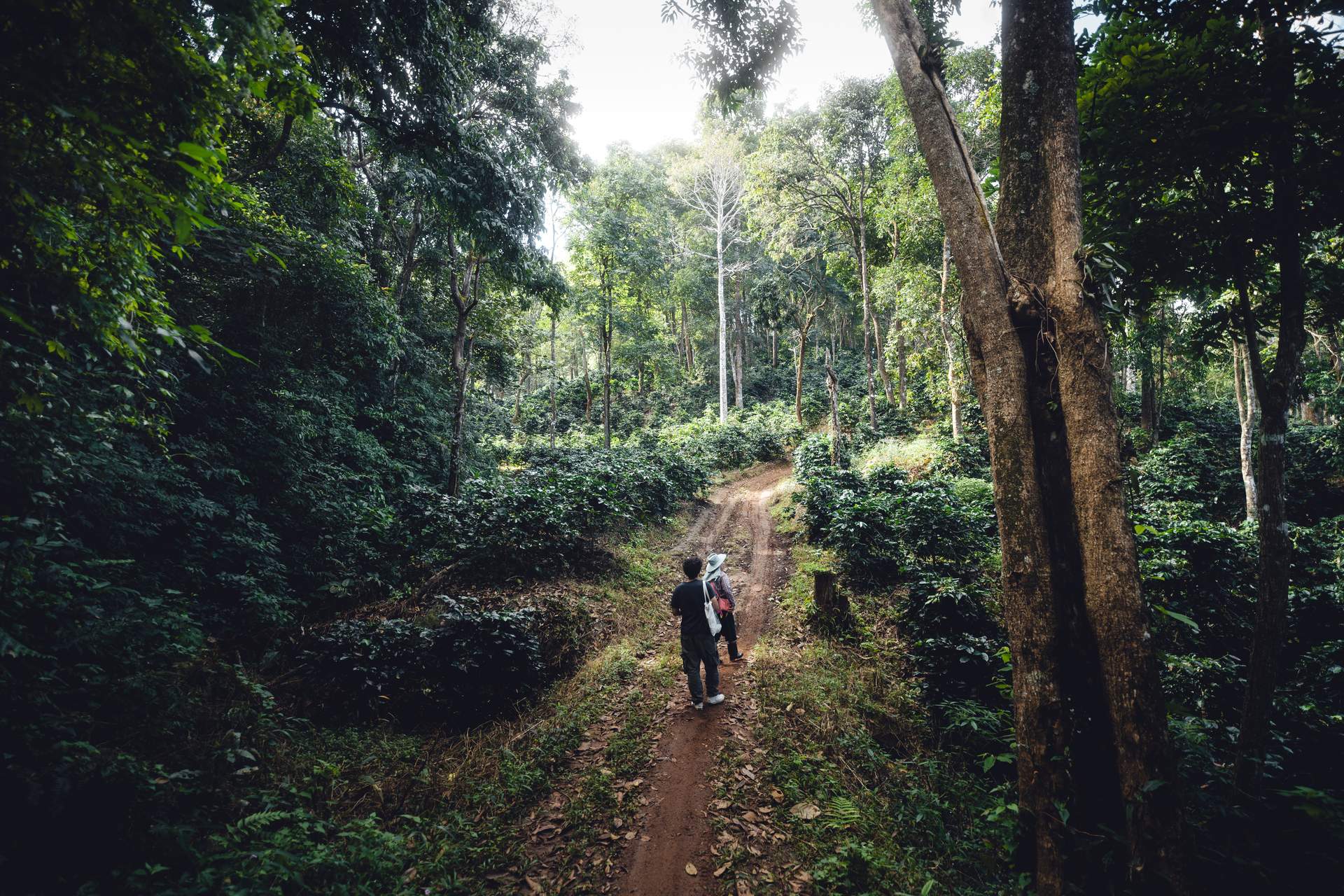
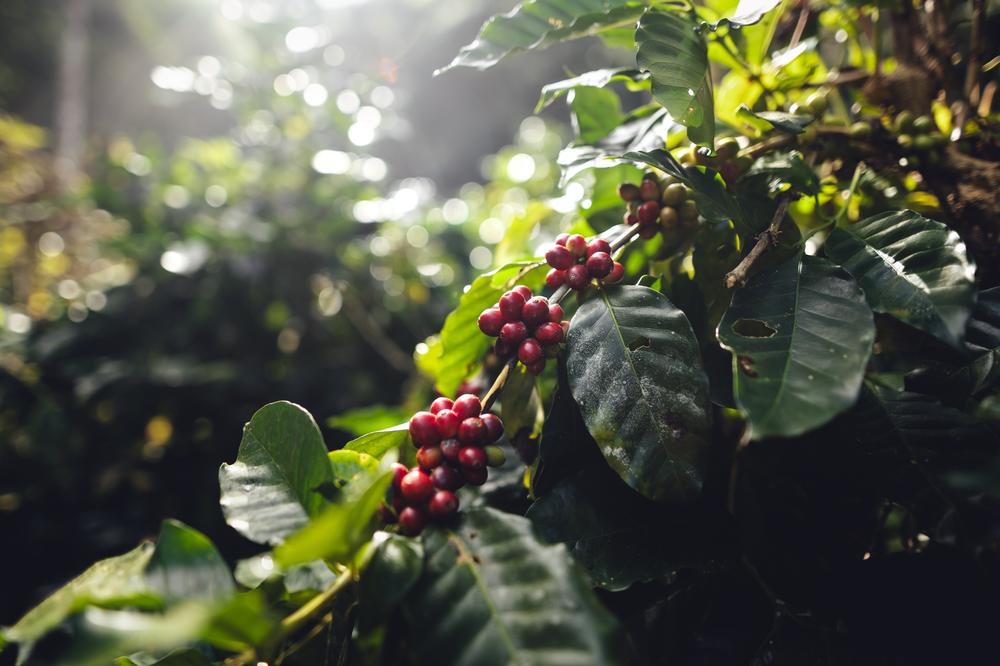
Grown under natural forest canopy, not cleared monoculture rows.
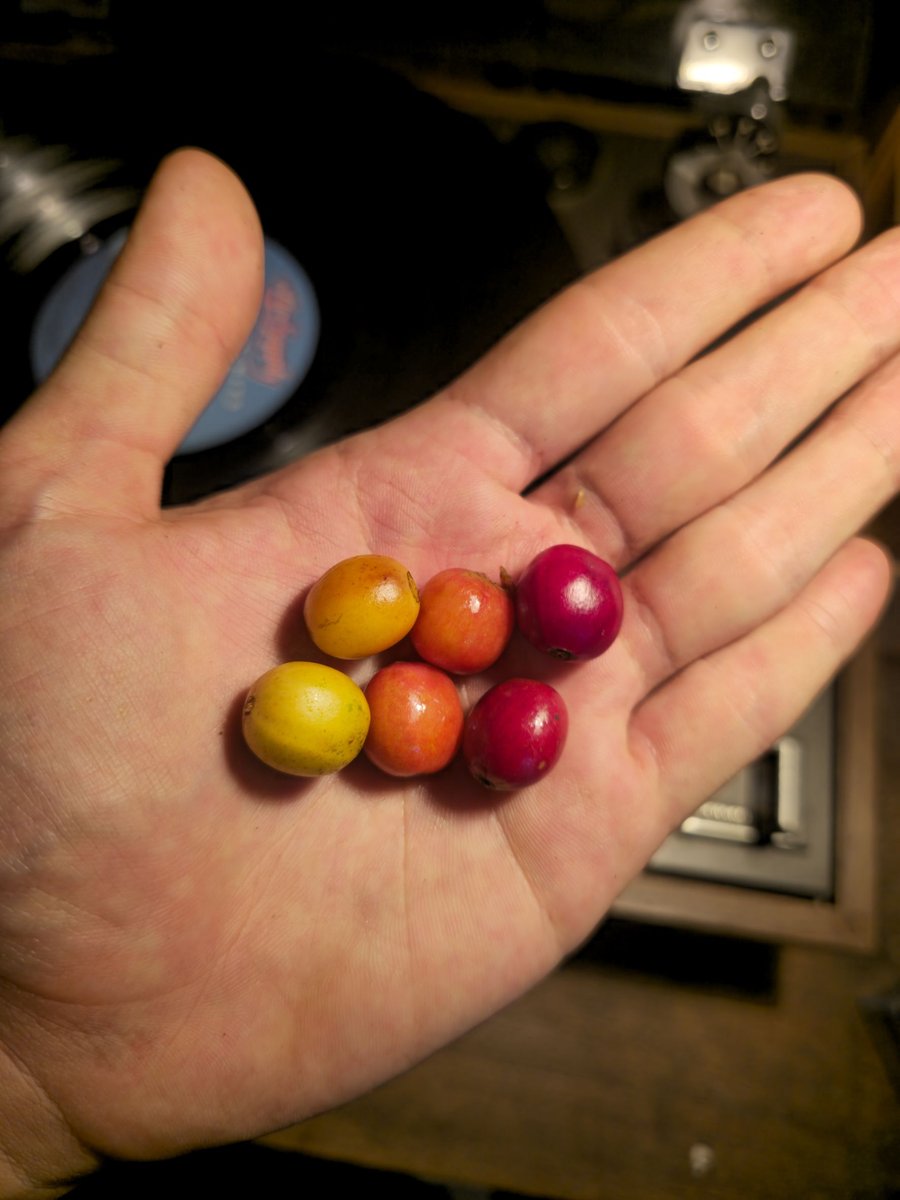
Every cherry hand-harvested at peak ripeness.
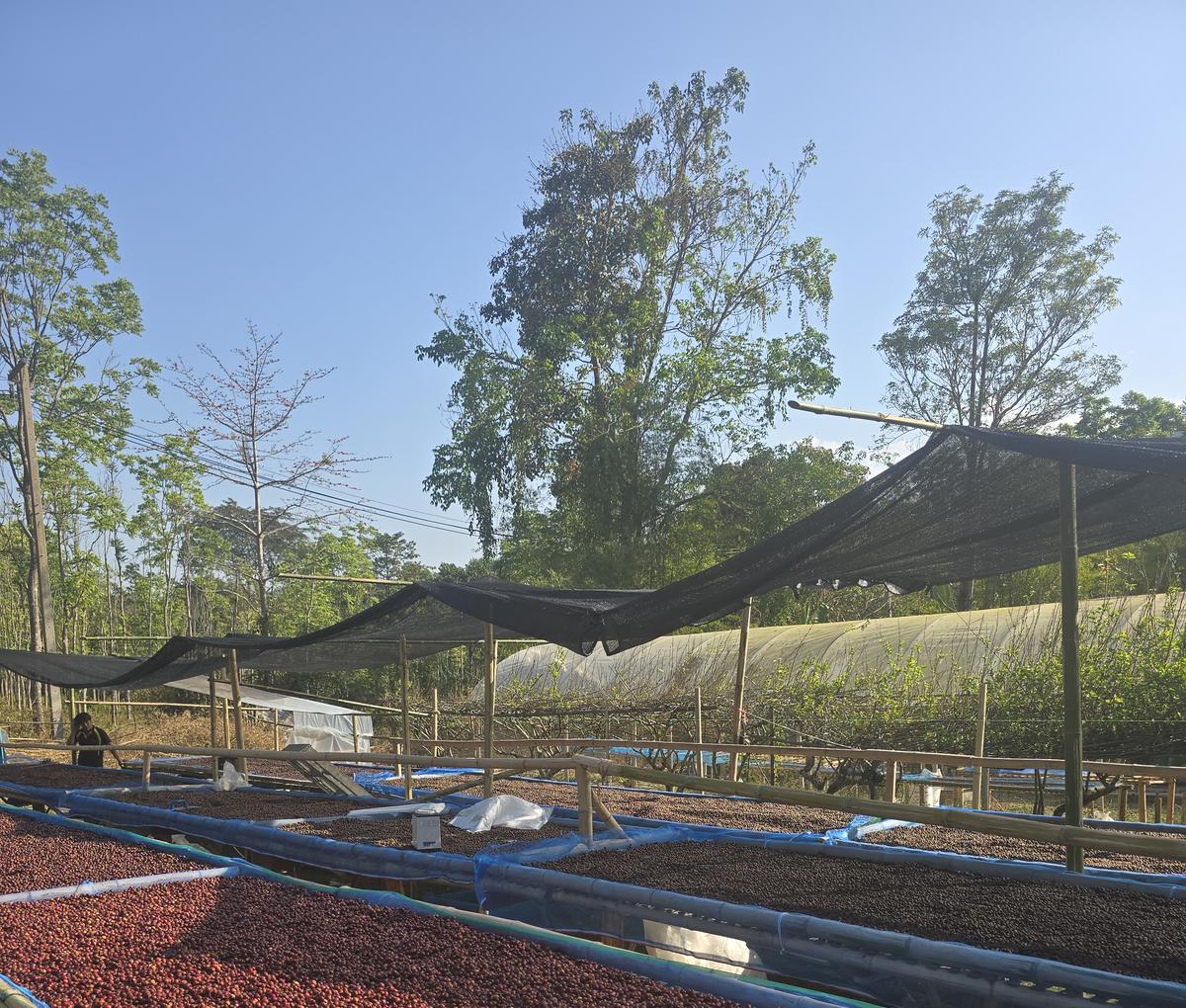
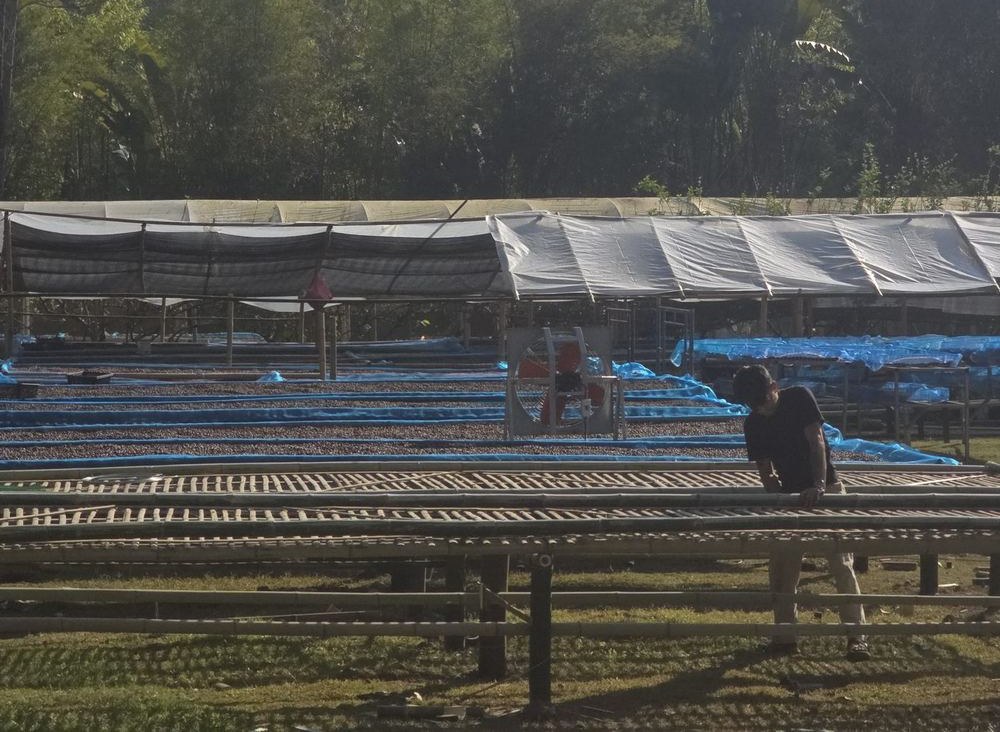
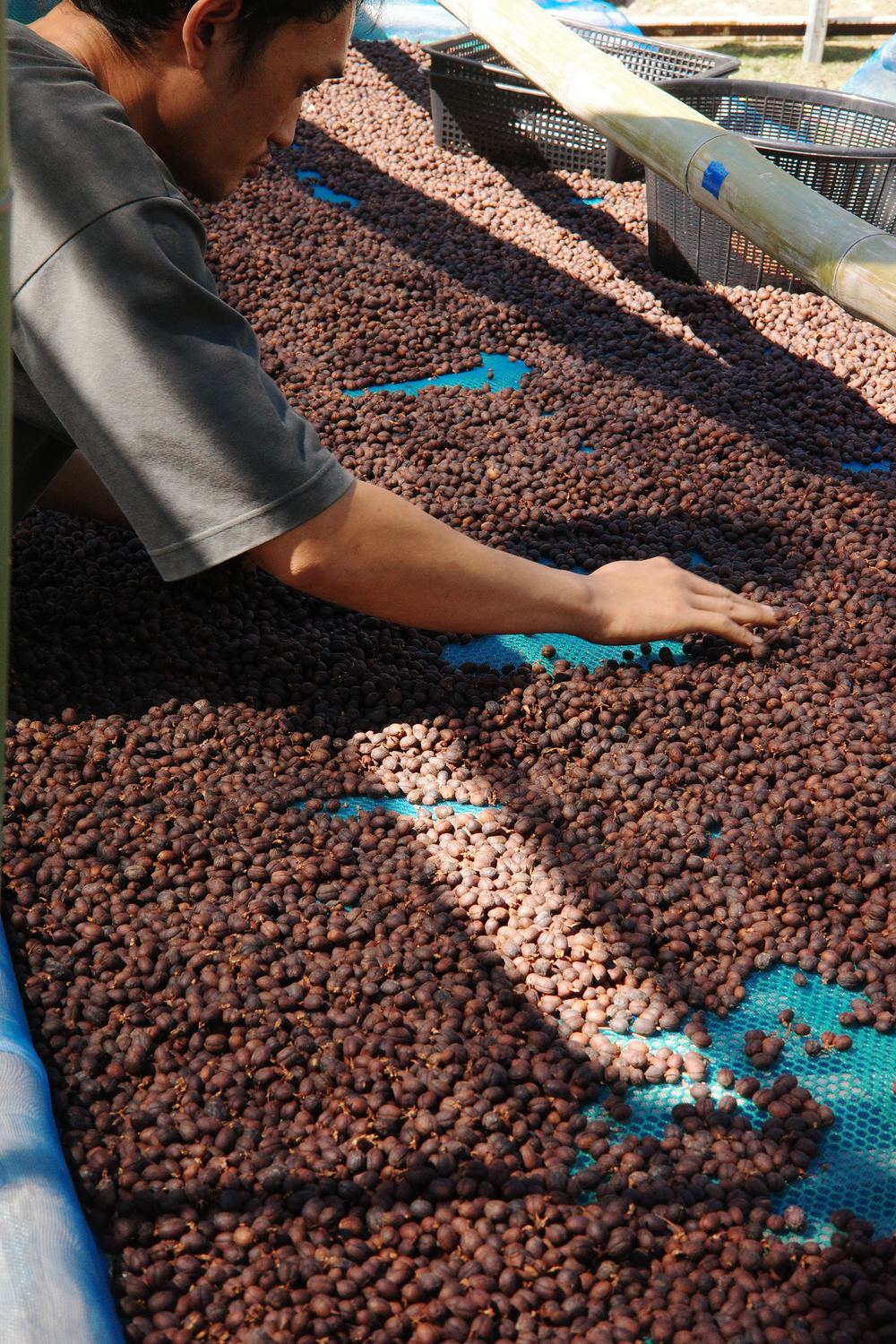
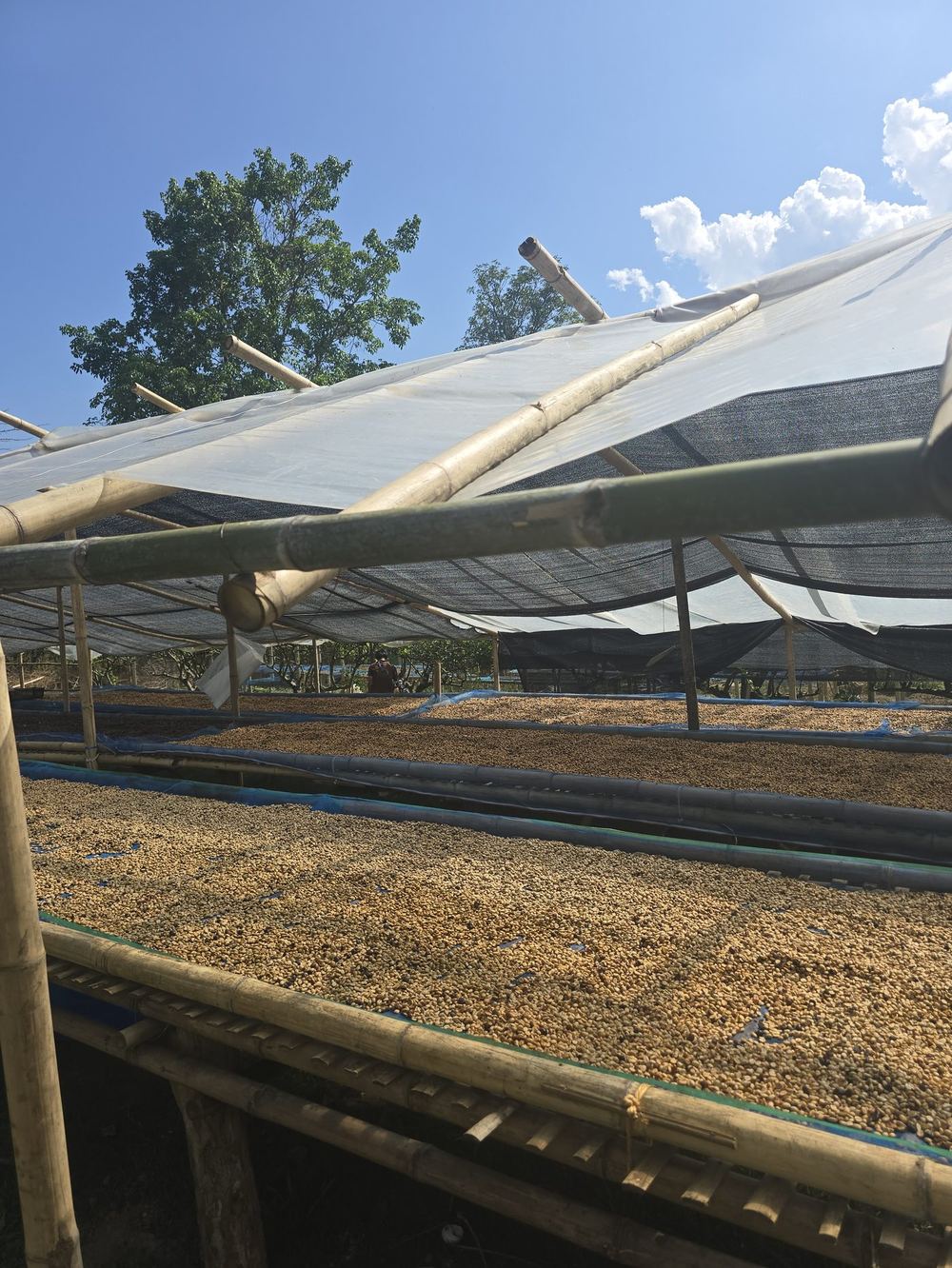
Sun-dried on raised beds, turned by hand through the day.
We buy straight from the growers we work with — no anonymous middlemen.
Aligner Coffee began with a simple belief: great coffee is not created by one person alone. It is the result of many things working together — the land, the farmer, the harvest, the processing, the roaster, and finally, the person drinking the cup.
That idea became our name. Aligner is about bringing those elements into alignment.
Founded in Chiang Mai, Thailand — and officially registered as บริษัท อไลเนอร์ คอฟฟี่ จำกัด in March 2025 — Aligner Coffee is a roastery built around 100% Thai coffee. Instead of looking overseas for our identity, we chose to look closer to home: toward the mountains, forests, villages, and people producing coffee here in Thailand.
We run two roasting facilities — one in Chiang Mai and one on Koh Tao. On our own land we practice small-scale sustainable farming: a coffee plot with its own wet-mill/husking setup, mixed fruit trees, and an adjacent sheep and goat farm.
Beyond our own plot, we maintain direct sourcing relationships with grower families across Pa Pae, Ban Chang, Ban Sib Lang, and Mae Jam — visiting the farms, working through processing together, and paying growers directly rather than through traders.
Sustainably Grown · Fairly Traded · Proudly Thai
Our relationship with coffee goes beyond buying green beans. We work directly with producers and coffee-growing communities across Northern Thailand — including Pa Pae in Chiang Mai, Baan Sib Lhang in Chiang Rai, Pai in Mae Hong Son, and other growing areas we continue to explore and develop.
One of the most important places in our story is Pa Pae, Chiang Mai. It was one of the first origins we seriously worked with, and it became a place where we began to understand what long-term relationships in coffee could actually mean. Instead of simply searching for the best coffee each season, we wanted to grow alongside the people producing it.
Over the years, that relationship has evolved from sourcing coffee into something much deeper: sharing ideas, experimenting with processing, improving consistency, studying fermentation and drying, and learning how the character of a place can be preserved while quality continues to improve.
Mae Taeng district — home to our own coffee plot and wet-mill, plus several lots processed by Suphanat Kuntawang / Aligner Coffee.
An Akha village in Wiang Pa Pao — washed and honey-processed lots from grower Melanee Laechoeku and family.
Huai Nam Dang, on the road to Doi Sam Muen — one of our direct-trade partner communities.
Source of The Nuts — roasted almond and caramel-forward beans grown at 1,200–1,300 m.a.s.l.
One of the newer growing areas we're exploring and developing alongside our existing partner communities.
Many of the coffees we work with are grown in mountain environments where coffee exists alongside larger trees and surrounding forest. This shade-grown approach matters to us not only for cup quality, but because it reflects the kind of agricultural system we want to support.
Healthy coffee farming should not mean separating coffee from nature. We believe coffee can exist as part of a larger ecosystem — under tree canopies, alongside local vegetation, and within landscapes that continue to support biodiversity and the communities living there.
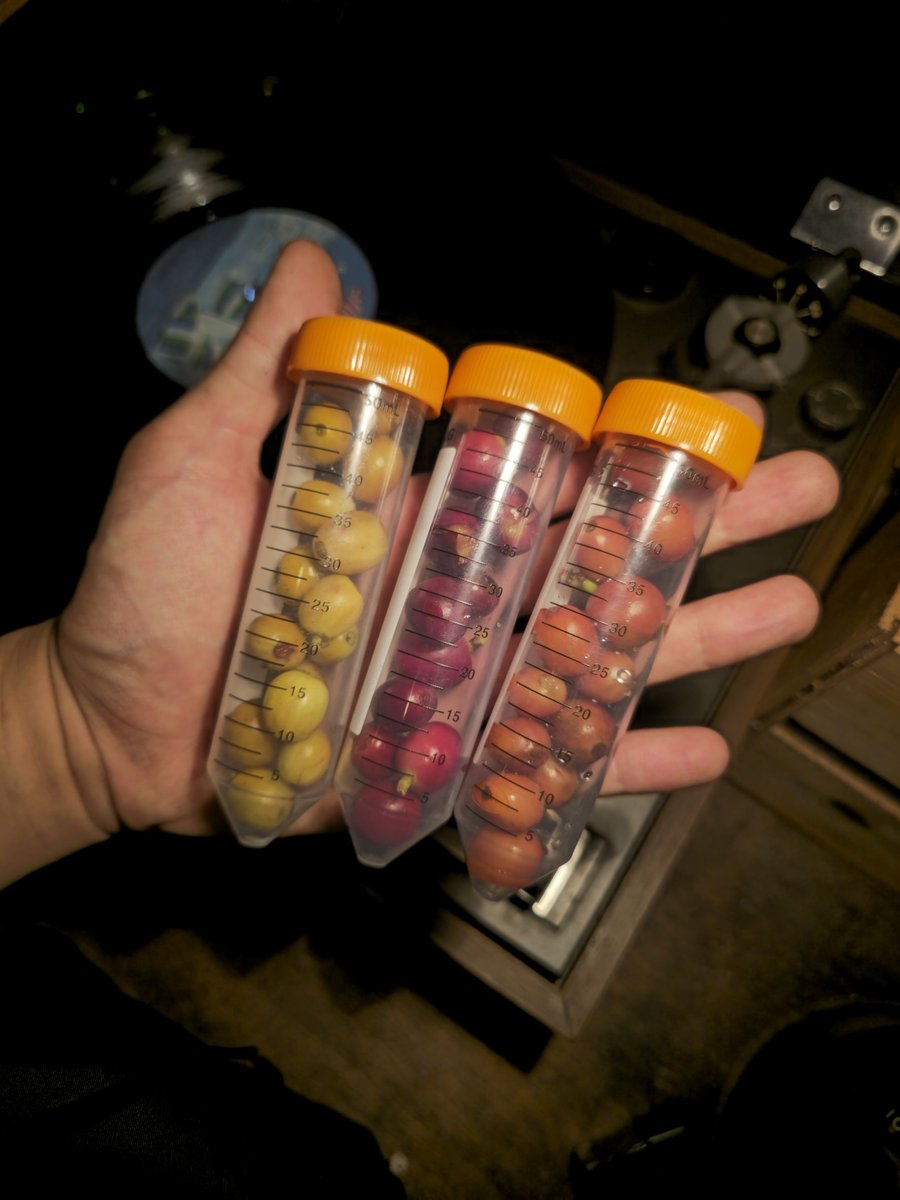
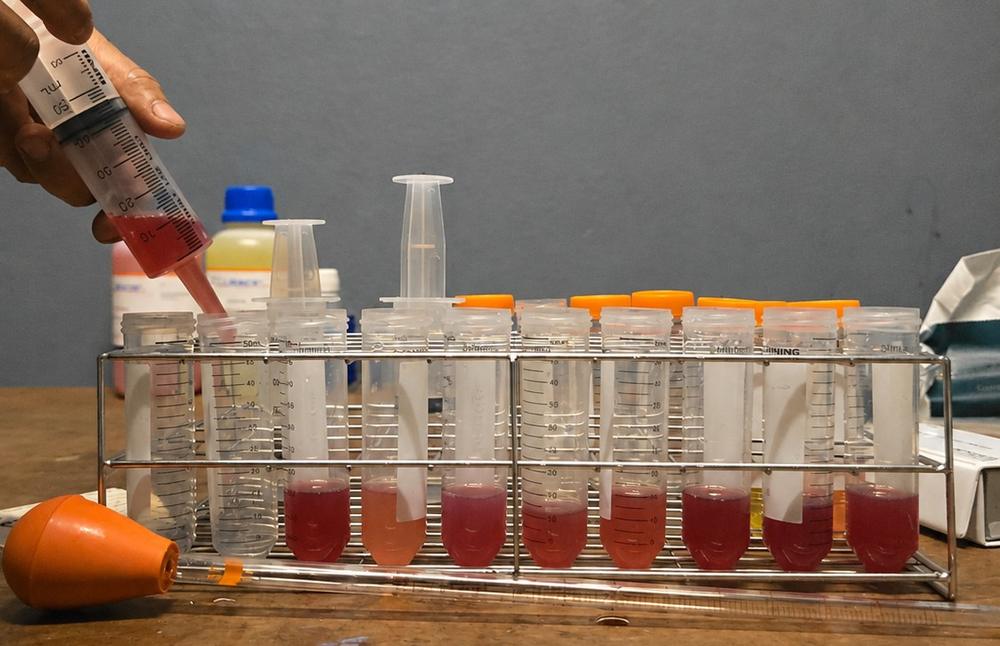
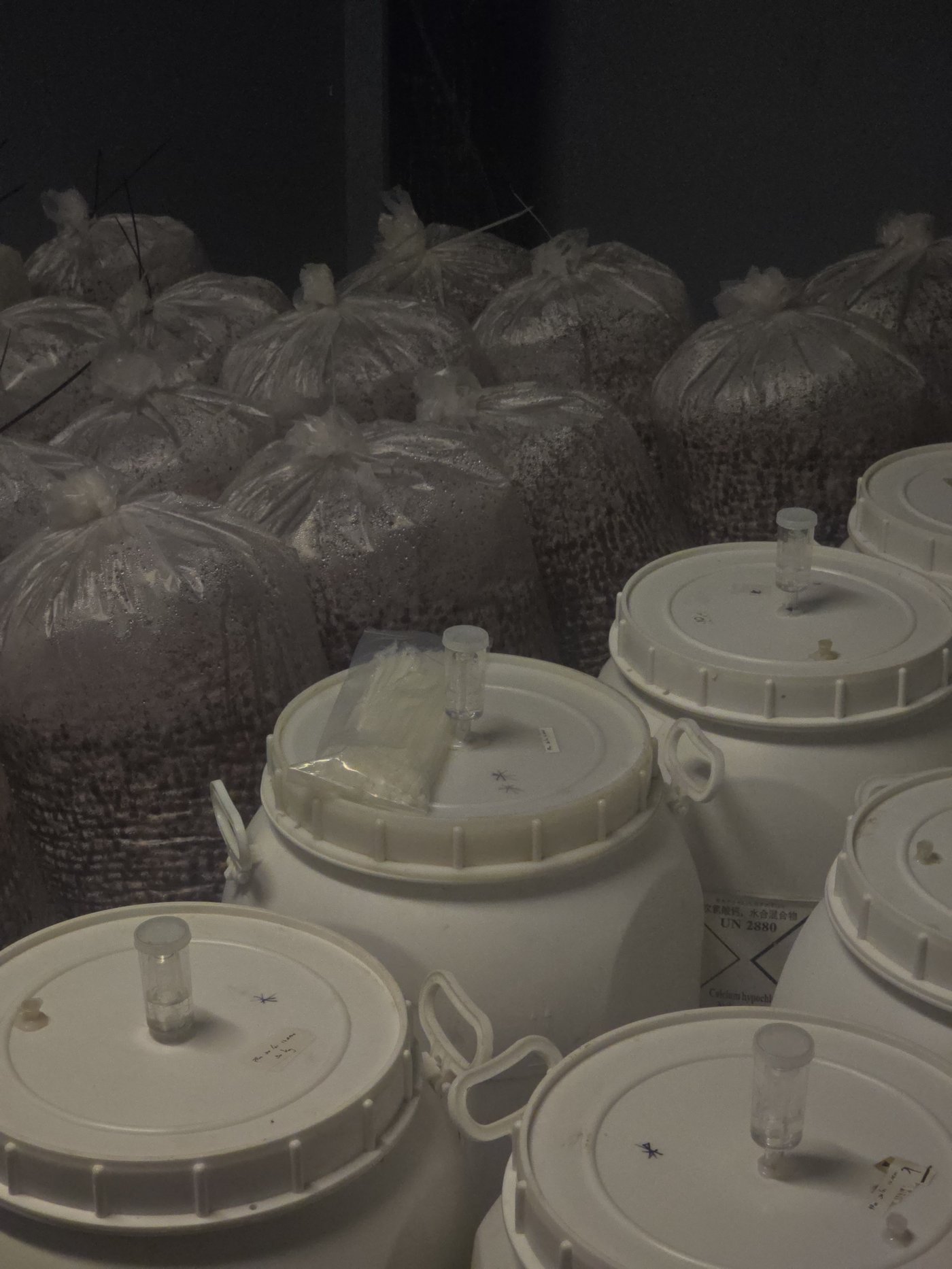
At our processing station in Mae Taeng, we don't start with a process name. We start with the cherry in front of us: its ripeness, its sugar, the weather that week. Then we design the fermentation to solve that problem.
Aerobic, CO₂, anaerobic — for us these aren't labels. They're tools we use at different stages, for different reasons.
Washed, natural, honey, and anaerobic fermentation are not simply labels for us either. They're tools for understanding how coffee responds to time, oxygen, microorganisms, sugars, drying, and storage — and we're as interested in control as we are in experimentation.
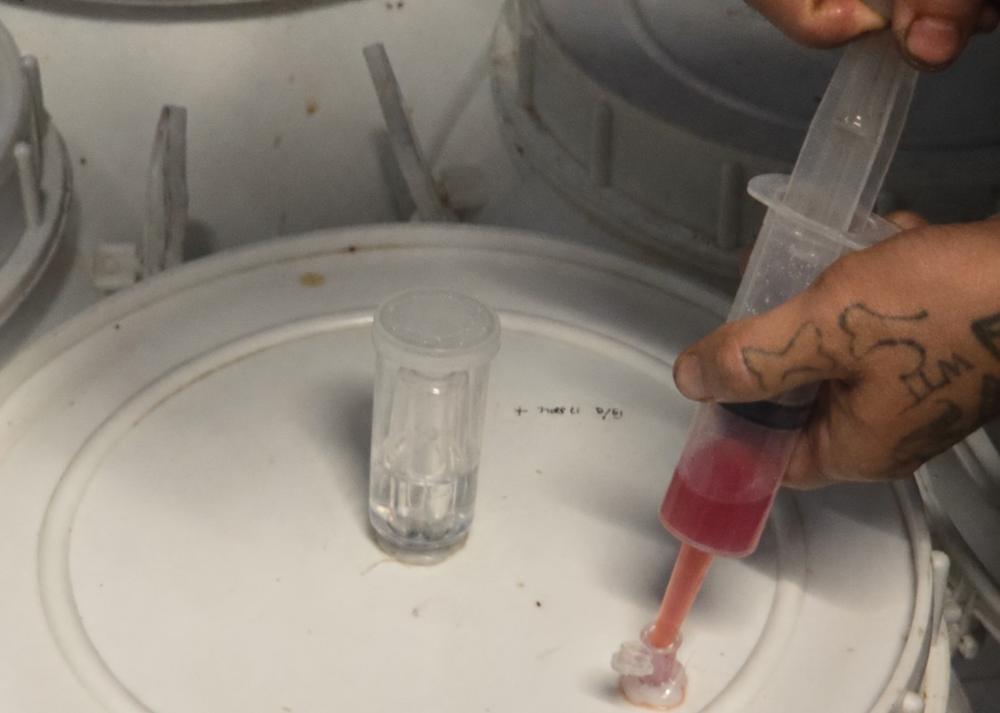
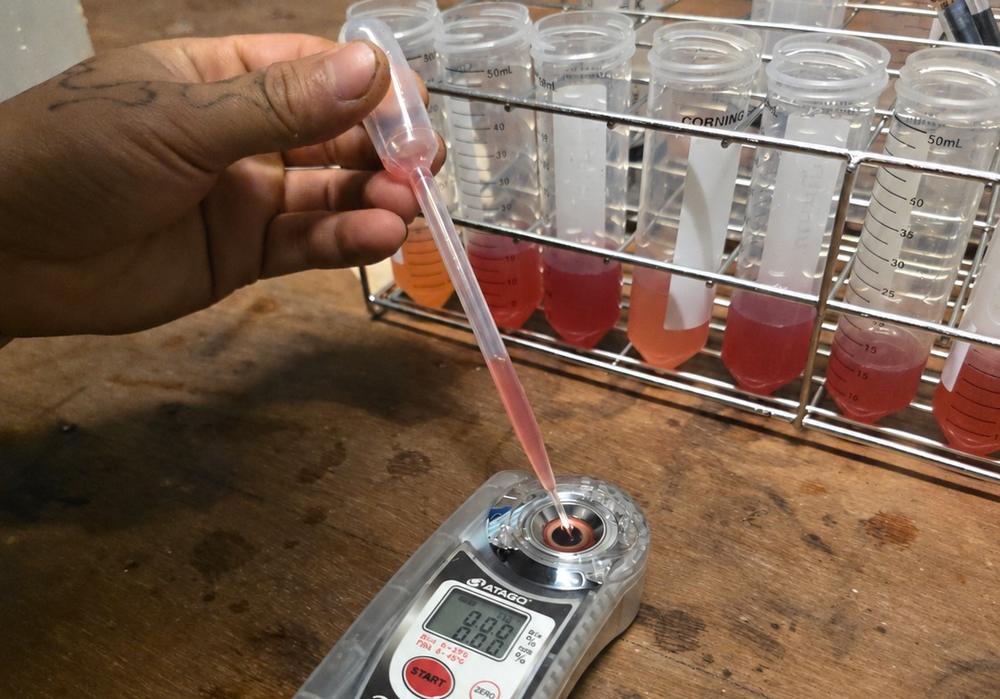
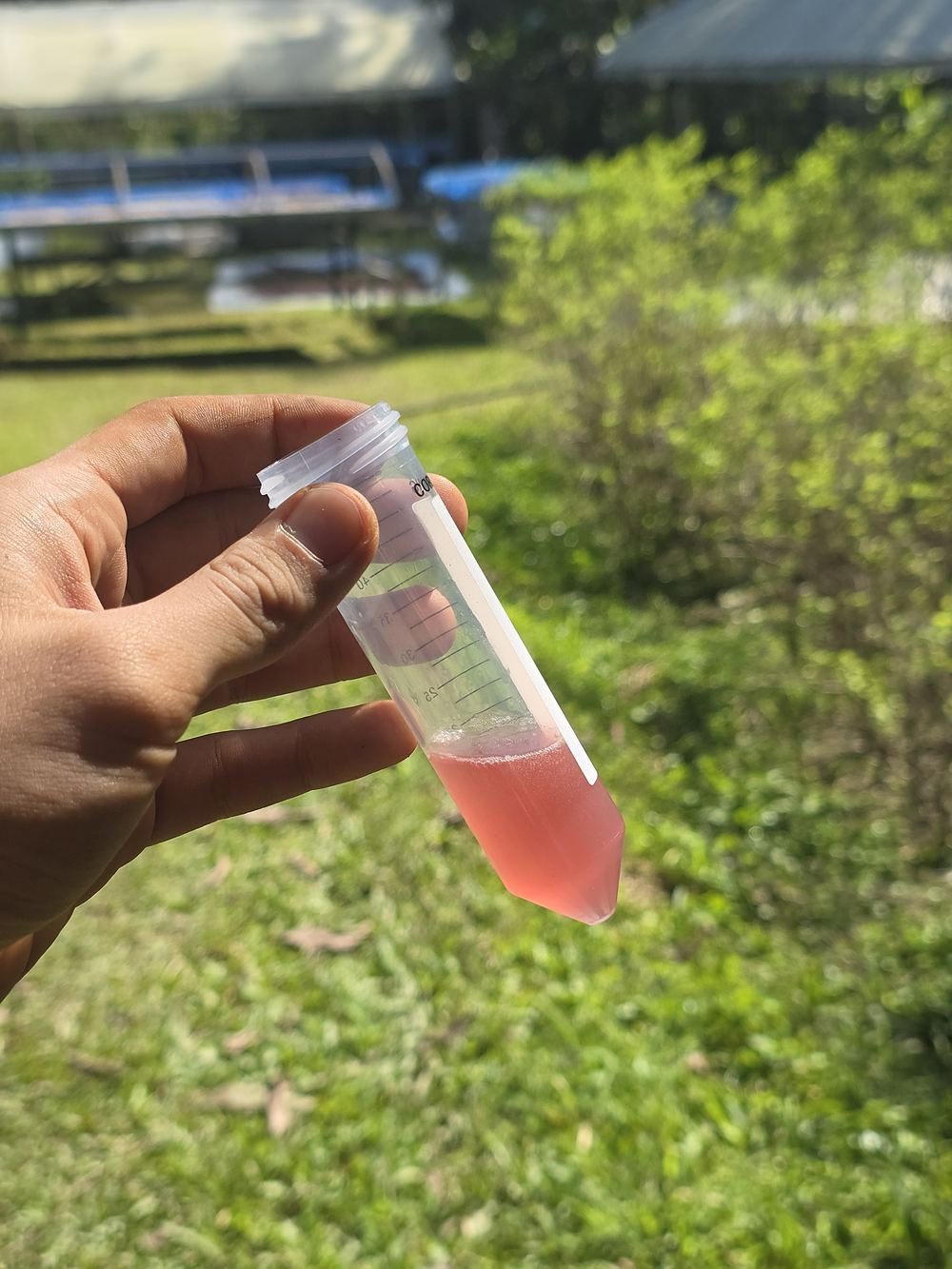
Chaptalization for us started as a solution to low-sugar cherries, not a wish for an unusual process. Mid-season lots sometimes carry less sugar than we want, so we borrowed an idea from winemaking: add a fermentable sugar as food for the microbes — not to sweeten the coffee. In the cup, these lots come out clean, bright, and less winey. The Lullaby, an 8-day lot from Pa Pae, is one of ours made this way.
Some of our lots ferment for about eight days, but we decide mainly by how the fermentation is behaving, not by the calendar. The goal isn't a longer fermentation — it's a wider sweet spot. A long fermentation doesn't have to taste heavily fermented.
We don't use a single environment for the whole fermentation. Oxygen levels change stage by stage — starting with a little, then less, until it's anaerobic. What smells better during fermentation doesn't always taste cleaner in the cup.
Temperature matters a great deal in fermentation, so we control it throughout. Instead of cooling the whole room, we decided to cool the fermentation itself.
While a new lot ferments, the previous lot has time on the drying beds to lose moisture, so we can rearrange and make room for what's next. Slow fermentation means a wider decision window and a better drying workflow. We look at the whole station, not just the cup.
Our team records the state of every lot every morning and evening — temperature, moisture, fermentation and drying conditions. We use these records to make decisions and to repeat the results we're happy with.
As a roastery, we believe the roast should respect the structure that already exists inside the green coffee. Density, moisture, bean shape, processing method, and storage condition all influence how heat moves through the seed — so we don't try to force every coffee into the same profile.
Sometimes that means brightness and florals. Sometimes it means chocolate, tamarind, dried fruit, or deep sweetness. Sometimes a coffee needs more development; sometimes it needs restraint.
A small selection — see the full, current price lists for stock and every lot we carry.
Chocolate, brown sugar, tamarind — smooth and balanced.
Berry, orange, floral, caramel. 9th place, Specialty Coffee Association of Thailand 2022.
Creamy, buttery body with honey, floral, peach, orange, and a hint of lactic acidity.
Blueberry, lychee, chocolate.
Grape, orange, chocolate. An 8-day lot from Pa Pae, fermented with added sugar as food for the microbes.
Winey, cherry, grape, rum.
Orange, pomelo, floral, berry. Scored 84.5 at Cup of Excellence.
Winey, plumeria, rose, strawberry jam.
Aligner Coffee is ultimately about connection. We want farmers to receive fair value for their work. We want roasters and cafés to understand where their coffee comes from. We want customers to experience Thai coffee with the same curiosity and respect often given to famous origins around the world. And we want more value to remain within the communities producing the coffee.
This is why we continue to work directly with farmers, experiment together, share knowledge, and develop long-term relationships rather than treating each harvest as a one-time transaction.
We are still learning. Still experimenting. Still meeting new producers. Still discovering what Thai coffee can become. But the direction remains the same.
Sustainably grown. Fairly traded. Proudly Thai.
From the mountains of Thailand to the coffee in your cup — Aligner Coffee, aligning Thai farmers with the world, one cup at a time.
Browse the current price list, then send your order through LINE or WhatsApp — we'll confirm stock and share payment details directly.